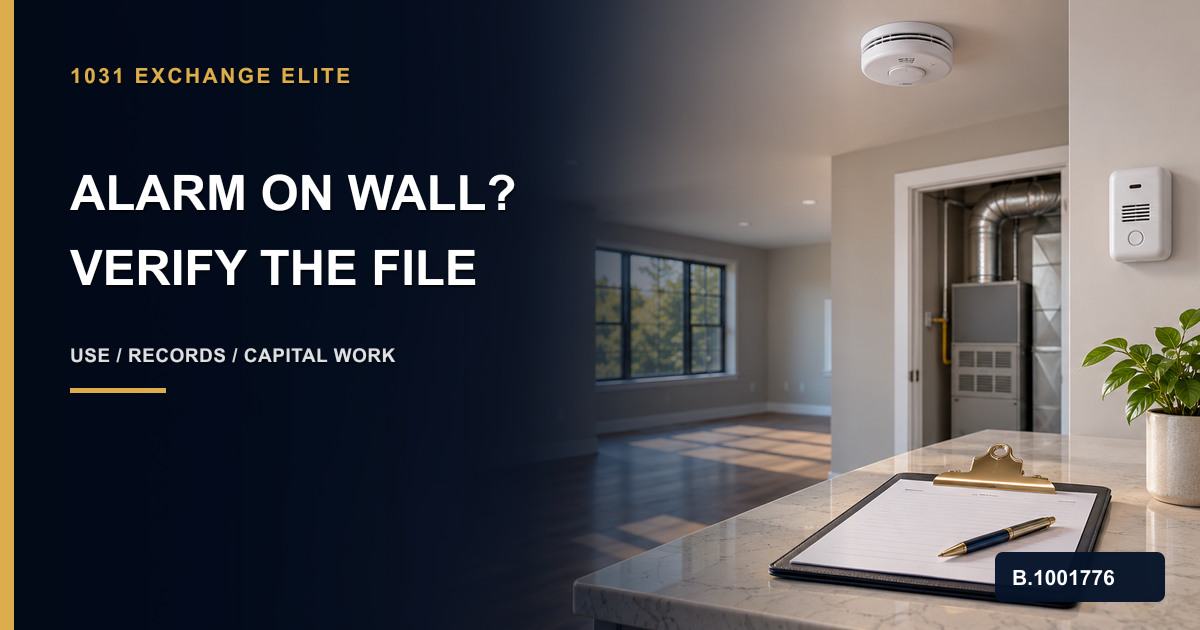
A rental property carbon monoxide detector checklist should connect the visible devices to property type, current local rules, leases, inspection records, maintenance history, fuel-burning systems, capital costs, and closing responsibilities. CPSC safety guidance is a useful baseline, but it does not replace the code or operating requirements for a specific jurisdiction and use. Nevada law also contains express smoke- and CO-alarm provisions for county-regulated transient lodging, which should not be casually generalized to every long-term rental.
Classify the property and operating use first
Document jurisdiction, dwelling type, number of units and levels, current occupancy, lease structure, short-term or transient use, permits, association restrictions, and intended post-closing operation. Requirements may differ for a single-family long-term rental, multifamily property, transient lodging, or renovated building. Obtain the actual rule, permit, and inspection record for the property rather than relying on a listing statement or a device count.
Build a device and combustion-system inventory
Map smoke alarms, CO alarms, combination devices, bedrooms, sleeping-area corridors, common areas, every level, garages, furnaces, boilers, fireplaces, water heaters, ranges, laundry equipment, generators, and other combustion sources. Record model, date, power, interconnection, battery backup, testing record, end-of-life signal, damage, and missing documentation. CPSC recommends CO alarms on each level and outside sleeping areas, but final design and compliance belong to qualified professionals and authorities.
Underwrite the records, not just replacement units
Request recent inspections, work orders, tenant notices, alarm logs, service contracts, technician invoices, permits, warranties, fire-department or code correspondence, open violations, and insurance requirements. Separate seller statements from independently verified records. Budget for device replacement, electrical work, interconnection, equipment service, vent or chimney repair, access coordination, tenant communication, permit work, downtime, and professional reinspection where applicable.
Assign pre-closing and post-closing responsibility
Write a responsibility matrix for seller work, buyer capital work, property-manager setup, vendor access, tenant notice, final walkthrough, closing deliverables, and the first post-closing test. Confirm insurance and lender conditions separately. Do not assume a seller credit resolves a life-safety issue, that a property manager has accepted the assignment, or that an inspection observation proves a completed repair.
Protect the exchange calendar while resolving safety questions
The 2026 Form 8824 instructions retain the general written identification deadline of 45 days and receipt deadline of the earlier of 180 days or the tax-return due date including extensions. Inspection, repairs, lender review, permit delays, and alarm upgrades do not extend those federal periods. Keep the QI, CPA, attorney, lender, broker, inspector, insurer, title provider, property manager, and vendors in their own professional lanes with dates and backup decisions.
FAQ
Does CPSC guidance prove a Nevada rental property is code compliant?
No. It is safety guidance, not a property-specific code approval. Verify jurisdiction, property type, use, current rules, permits, and inspection status with the responsible authorities and professionals.
Do Nevada short-term-rental alarm rules apply to every rental?
Do not assume that. Nevada law includes specific provisions for county-regulated transient lodging. Long-term rentals, incorporated cities, multifamily property, and other uses may follow different rules and codes.
Do alarm repairs extend a 1031 exchange deadline?
No. Property diligence, repairs, financing, and permits do not extend the federal identification or receipt periods. Confirm the exact calendar and any applicable relief with the QI, CPA, and attorney.
Primary sources and limits
- U.S. Consumer Product Safety Commission, Keep Warm and Safe This Winter
- U.S. Consumer Product Safety Commission, Carbon Monoxide Fact Sheet
- Nevada Legislature, NRS Chapter 244 county transient-lodging requirements
- IRS, 2026 Instructions for Form 8824
General education only. An alarm, test button, indicator light, photograph, seller statement, inspection observation, invoice, repair request, work order, permit, license lookup, referral, exchange agreement, identification notice, or closing record does not by itself establish sensor accuracy, safe equipment, code compliance, completed repair, insurance coverage, lender approval, property suitability, professional acceptance, exchange qualification, basis, gain, deferral, or closing. Verify the exact property, jurisdiction, use, building and fire requirements, manufacturer instructions, device model and age, power, placement, fuel-burning systems, garage, inspection scope, technician findings, repairs, permits, insurance, lender conditions, leases, tenant notices, taxpayer, vesting, QI controls, exchange dates, receiving license, client consent, secure channel, accepted scope, owner, and completion evidence with the responsible broker, local authorities, fire department, inspectors, qualified technicians, insurer, lender, property manager, qualified intermediary, CPA, attorney, title or escrow provider, and other qualified advisers. No individualized legal, tax, lending, insurance, securities, appraisal, inspection, code, fire-safety, property-management, fair-housing, brokerage, or investment advice is provided. A CPA, attorney, and qualified intermediary must evaluate the taxpayer, investment-use position, exchange structure, acquiring party, title, deadlines, identification, receipt, basis, liabilities, boot, reporting, and vendor documents.
Related: reviewing rental-property HVAC diligence, coordinating construction and exchange timing, contact 1031 Exchange Elite.